Southern Restaurant Favorites That Feel Like Sunday Supper
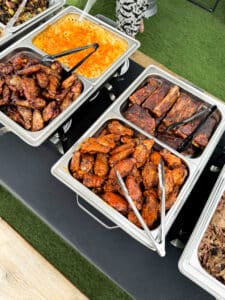
There is a certain kind of meal that does more than fill a plate. It settles a room. It slows people down. It turns conversation from rushed updates into stories, memories, and the kind of teasing that only happens when everyone knows they are staying awhile. At its best, a Southern restaurant can recreate that feeling with remarkable accuracy. Not through nostalgia alone, and certainly not through oversized portions or a checked tablecloth, but through the deeper grammar of the meal itself: careful seasoning, patient cooking, familiar dishes served hot, and enough generosity in the kitchen to make the whole experience feel personal.
That is why the most beloved Southern restaurant favorites often read like a Sunday supper menu. Fried chicken with a crust that shatters under the fork. Pot roast so tender it yields before the knife does much work. Greens that have cooked long enough to become silky without losing their backbone. Cornbread that arrives warm, not as an accessory, but as part of the meal’s emotional architecture. Banana pudding that looks humble and disappears first.
Sunday supper, in the Southern sense, has never been only about one meal. It is about timing, ritual, and comfort that has standards. Dishes need to be abundant, yes, but also disciplined. Good Southern cooking is often misread as heavy or casual. In practice, it is exacting. Salt matters. Texture matters. The difference between rich and greasy, tender and mushy, bronzed and burnt matters very much. The restaurants that understand this are the ones people return to when they want food that tastes like someone in the kitchen cared enough to keep checking the pot.
Why Sunday supper flavors still matter in restaurants
Many diners walk into a Southern restaurant looking for familiarity, but familiarity is not the same thing as sameness. The best places know that what people really want is recognition. They want dishes that feel rooted, not stale. A plate can be traditional and still show judgment. In fact, that judgment is what separates memorable comfort food from cafeteria nostalgia.
Think about roast chicken, for example. On paper, it sounds simple enough. In service, it rarely is. The breast has to stay juicy while the skin crisps. The pan drippings need enough depth to become gravy, not just thin brown liquid. The seasoning must be assertive enough to stand up to mashed potatoes and green beans. If any one of those details misses, the whole plate feels flat. When it lands, though, the effect is immediate. The room quiets for a moment. People lean over their plates. That is Sunday supper territory.
Restaurants have one advantage over home cooks and one disadvantage. The advantage is volume. A kitchen that braises short ribs every week or fries chicken by the hundreds can refine a recipe until every weak spot is exposed. The disadvantage is scale. The warmth people associate with home cooking is easy to lose once production enters the picture. That is why the best Southern restaurant food often feels edited rather than amplified. Instead of piling on more cheese, more sugar, or more sauce, skilled kitchens build flavor through stock, drippings, smoke, pepper, vinegar, and time.
Fried chicken, the standard everyone notices
No dish reveals a Southern Southern restaurant kitchen faster than fried chicken. It is the plate most likely to expose shortcuts and the one most likely to inspire devotion when done right. Diners may forgive a bland biscuit or a forgettable scoop of slaw. They are far less forgiving of chicken with a pale crust, soggy breading, or meat that tastes like it met seasoning only at the table.
What makes fried chicken feel like Sunday supper is not extravagance. It is contrast. The crust should have structure, real crunch with a little craggy irregularity, not a uniform shell. Underneath, the meat should steam when opened, with enough seasoning in the flour and the bird itself that the flavor runs all the way through. Many strong kitchens use buttermilk or a seasoned brine to get there, but the method matters less than the result. You want depth, not just salt. Pepper should register. Paprika, garlic, maybe a little cayenne should support rather than announce themselves.
The side dishes are not afterthoughts here. Fried chicken asks for companions that know their role. Mashed potatoes should be smooth but not gluey. Gravy should taste of drippings and black pepper, not just flour and milk. Macaroni and cheese has to decide whether it is baked and structured or stovetop and creamy, then execute that choice with conviction. The best plates avoid side-dish confusion. Too many rich elements can cancel each other out. One creamy side, one green vegetable, one bright or acidic note, that is often the sweet spot.
I have seen plenty of restaurants chase attention with hot honey, truffle dust, or towering presentations. Those can work in the right context, but they are not what makes people close their eyes after the first bite. Precision does. If the chicken is hot, seasoned properly, and fried in clean oil at the right temperature, it carries the whole plate.
Meatloaf, pot roast, and the quiet power of brown food
Some of the most satisfying Southern restaurant favorites are the least glamorous. Meatloaf will never be as photogenic as shrimp and grits. Pot roast does not arrive with the ceremony of a sizzling skillet. Yet both dishes speak directly to the Sunday supper tradition because they reward patience over flair.
A good meatloaf should slice neatly without becoming dense. That balance matters. Too much binder and it eats like compressed stuffing. Too little and it crumbles into hash. The version that feels most at home on a restaurant menu usually includes a glaze with enough sweetness to lacquer the top but enough tang to keep the meat from tasting one-dimensional. Tomato-based glazes do this well, especially when they are sharpened with vinegar or mustard. Served with mashed potatoes and buttered peas or green beans, meatloaf becomes one of those meals that people order almost apologetically and then talk about on the drive home.
Pot roast operates by a different logic. It is less about shape and more about atmosphere. You know within a minute whether it will be successful. The aroma tells you first, then the sauce, then the texture of the meat. Excellent pot roast should be spoon-tender in places and sliceable in others, with carrots and onions that have surrendered their raw identity to become part of the broth. If a restaurant rushes it, you can taste the impatience. The fibers stay tight, the sauce tastes thin, and the vegetables seem to have been cooked nearby rather than together.
What makes these brown, braised dishes special in a Southern restaurant is that they invite restraint. They do not need decorative garnishes or architectural plating. They need heat, depth, and enough confidence to arrive looking like they belong on a family table. When a kitchen gets that right, these humble dishes often outperform trendier menu items.
Smothered pork chops and the art of gravy
Few foods say Sunday supper more clearly than a smothered pork chop. It is a dish built around thrift, skill, and tenderness, all central virtues in Southern home cooking. Pork chops can be difficult. Lean cuts go from juicy to dry quickly, and gravy can turn from silky to stodgy with one heavy hand on the flour. But when executed well, the combination is deeply satisfying.
The chop should be seasoned assertively and cooked just enough to remain moist. The gravy, often onion-rich, needs body without paste-like heaviness. In many kitchens, the difference comes down to the fond left in the pan and the stock used to loosen it. Water will get you somewhere. Good stock will take the dish the rest of the way. Black pepper is essential, and a little thyme never hurts. Served over rice, mashed potatoes, or alongside a biscuit, smothered pork chops create the kind of plate that encourages diners to drag every last bite through the sauce.
This is also a dish where side choices reveal a restaurant’s judgment. Candied yams may sound inviting, but paired with gravy-laden pork they can push the plate too far toward sweetness. Braised cabbage, lima beans, or greens often do better because they bring bitterness, minerality, or simple vegetal relief. A thoughtful Southern restaurant knows that comfort food still needs balance.
Shrimp and grits, when simplicity gets serious
Shrimp and grits sits at an interesting crossroads. It is common enough to feel classic, but variable enough to reveal a chef’s philosophy. Some versions lean toward breakfast, with creamy grits and a little bacon. Others head toward supper, with a darker sauce, more heat, and enough shrimp to make the dish feel substantial. The best ones remember that the grits are not filler. They are half the reason the dish works.
Good grits should taste like corn, not just cream. Texture should be soft and spoonable, with a little grain still present, not gummy or blown out. The shrimp need a quick hand. Overcooked shrimp turn snappy and dull. Properly cooked shrimp stay sweet and slightly springy, a small detail that changes the entire dish.
One thing restaurants get wrong with some regularity is crowding shrimp and grits with too many competing flavors. Sausage, cheese, tomato, mushroom, scallion, hot sauce, bacon, and gravy can all be good, but not all at once. When every note is turned up, the dish loses its center. Sunday supper cooking, even when rich, usually has a clear point of view. You should be able to identify the leading flavor at once. With shrimp and grits, that might be smoky bacon, buttery shrimp stock, sharp cheddar, or peppery gravy, but it should not be all of them shouting together.
Greens, beans, and the side dishes that carry memory
People often focus on the main protein when they talk about Southern food, but the side dishes are where many restaurants prove their seriousness. Anyone can add fried chicken to a menu. Not everyone can cook turnip greens that still taste alive after hours on the stove. Not everyone can serve butter beans that are creamy rather than chalky, or black-eyed peas that are fully seasoned instead of treated like obligation food.
Greens in particular deserve respect. Collards, mustard greens, and turnip greens each behave differently. Mustards bring heat and edge. Collards offer body and a more mellow mineral quality. Turnip greens have a distinctive bite that can lean almost floral when treated well. A restaurant that lumps them all into one generic “greens” flavor is leaving something on the table. Seasoning pork can help, smoked turkey can help, onion and garlic certainly help, but the best pot likker is not muddy. It is clear enough in flavor that you can taste the green itself.
Beans ask for similar care. Lima beans, often called butter beans in the South, should feel velvety and rich without collapsing into paste. Field peas need enough broth to stay lush. Baked beans should not taste like dessert unless the menu clearly leans that direction. Even slaw, a dish people often underestimate, plays an important role. With fried fish, barbecue, or a heavy meat plate, slaw provides cold crunch and acidity. Too much sugar flattens that function. A sharper slaw, lightly dressed, often serves the meal better.
These are not glamorous points, but they are decisive. A Southern restaurant that nails the sides earns trust quickly. Diners start to believe the kitchen understands more than recipes. It understands appetite.
Biscuits and cornbread, small breads with a large job
If there is one place where sentimentality can cloud judgment, it is the bread basket. People forgive a lot in biscuits and cornbread because these items carry memory so powerfully. But the standard should stay high. A biscuit should be tender and layered, with enough exterior color to suggest butter and heat did their work. The interior should pull apart in soft sheets, not crumble dry like a scone gone wrong. Size matters less than balance. Oversized biscuits can look generous while eating heavy and underbaked.
Cornbread inspires even stronger loyalties. Some diners want sweetness. Others reject sugar entirely. Cast iron devotees want a hard edge and crisp crust. Spoonbread loyalists are looking for something gentler. A good restaurant does not need to settle this family argument for everyone, but it should know exactly which side it has chosen and execute accordingly. Confusion is the problem, not variation. Sweet cornbread that promises cake but delivers dryness fails. Savory cornbread that lacks salt or proper browning fails just as surely.
Bread matters because it absorbs and extends the meal. It catches gravy, soaks bean broth, swipes the last of a braise from the plate. It also slows the pace. People tear off a piece, butter it, pass the basket, talk a little more. That rhythm belongs to Sunday supper as much as any entrée does.
Macaroni and cheese, the line between comfort and excess
Macaroni and cheese can be one of the most beloved dishes in any Southern restaurant, but it is also one of the easiest to overcomplicate. The restaurant instinct is often to add more, more cheeses, more toppings, more smoke, more crust. Sometimes that works. Often it turns a comforting side into a dense, greasy monument.
The best versions usually pick a lane. Baked macaroni and cheese should have structure, browned edges, and a custardy interior that holds together on the spoon. Creamy stovetop versions should coat the pasta fully without breaking into oil. In both cases, the cheese blend matters less than the final texture and seasoning. A little sharpness from cheddar helps. Some kitchens use American cheese or a processed component for melt and stability, which purists may resist but diners rarely complain about when the result is smooth and flavorful. Dry macaroni and cheese, by contrast, gets no grace from nostalgia.
This is also a dish that reveals how a restaurant thinks about restraint. Macaroni and cheese already occupies a rich part of the plate. If it arrives buried under pulled pork, fried onions, or multiple sauces, it can pull attention from everything else. Sunday supper food works because each dish knows its role. Even the indulgent ones.
Chicken and dumplings, soft textures done well
There is an old temptation to dismiss soft foods as easy comfort. Chicken and dumplings proves otherwise. Done carelessly, it is beige paste in a bowl. Done well, it is one of the most soothing and technically demanding dishes on the menu.
The broth has to taste of chicken, not just salt and cream. The dumplings need tenderness without dissolving. The chicken must still have identity, with pieces large enough to feel substantial. Some cooks prefer flat, noodle-like dumplings. Others serve puffier drop dumplings. Both can be excellent if the broth is developed properly and the dumplings are cooked with attention. Timing matters here more than many people realize. Overcooked dumplings swell, toughen, or fall apart depending on the style.
A strong Southern restaurant usually gets this dish right by respecting its quietness. It does not need an overloaded garnish or an aggressive herb profile. It needs stock made with care, proper seasoning, and the confidence to serve something that comforts by being gentle rather than loud.
Desserts that finish the table the right way
No Sunday supper feeling is complete without dessert, and Southern restaurants tend to rely on a familiar cast for good reason. Banana pudding, peach cobbler, chess pie, pecan pie, bread pudding, and coconut cake all earn their place because they deliver satisfaction without requiring novelty. The best dessert menus understand that after a rich meal, diners want something that feels generous but not showy.
Banana pudding is a case in point. The ideal version balances several textures at once: soft custard, yielding bananas, cookies that have softened but not vanished, and maybe a little fresh wafer crumble on top for contrast. Some diners want meringue. Others prefer whipped cream. The stronger issue is whether the pudding tastes made in-house. Artificial banana flavor has no place here.
Peach cobbler lives or dies by fruit integrity. Too often, restaurants oversweeten it or thicken it into something closer to pie filling from a can. Good cobbler should still let the peaches taste like peaches, with tartness intact. The topping can skew biscuit-like or cakey, but it should be baked through and browned. A scoop of vanilla ice cream is less a luxury than a temperature and texture counterpoint.
Pecan pie is another dessert where balance matters. The filling should be rich and sweet, certainly, but not so sugary that the nuts become incidental. A little bitterness from dark syrup, a touch of salt, and a properly baked crust make all the difference. These desserts feel like Sunday supper because they extend hospitality. They invite people to linger.
What to look for when choosing a Southern restaurant
If you are trying to find a Southern restaurant that delivers this kind of experience, menu language can tell you a surprising amount. Dishes described too vaguely often are vague on the plate. On the other hand, a menu that names the sides thoughtfully, mentions a braise or pan gravy with confidence, and does not crowd every item with gimmicks is usually signaling good instincts.
A few signs tend to matter more than décor:
- The sides sound as considered as the entrées.
- The menu includes at least a few dishes that require time, such as pot roast, greens, or chicken and dumplings.
- Bread service is treated seriously, whether that means biscuits, cornbread, or rolls.
- Desserts are rooted in tradition rather than built around spectacle.
- The kitchen shows restraint, not just abundance.
Service matters too. Sunday supper is partly a feeling of being looked after. Restaurants create that through pacing, warmth, and a sense that no one is trying to rush the table out the door the moment dessert lands. Even a casual dining room can provide that if the hospitality is steady and the food arrives with care.
The real appeal of these favorites
People return to these dishes for more than comfort. They return because good Southern restaurant food delivers clarity. You know what the dish is meant to do, and when it succeeds, it does so completely. Fried chicken should crunch and steam. Pot roast should soften and deepen. Greens should carry smoke, salt, and mineral bite. Biscuits should flake. Cobblers should smell like butter and fruit. There is discipline in that simplicity.
Sunday supper remains powerful because it gathers all the practical strengths of Southern cooking in one place. Economy, patience, seasoning, hospitality, and good judgment all show up on the plate. When restaurants honor those traits instead of caricaturing them, they create meals that feel bigger than trend and stronger than nostalgia. They create the kind of table people remember, not because it was flashy, but because it felt complete.
Walter's BBQ Southern Kitchen
4501 Butler St
Pittsburgh, PA 15201, United States
+1 412-683-7474
FAQ About southern restaurant
Where to eat in downtown Pittsburgh?
If you are exploring dining options beyond downtown, Walter's BBQ Southern Kitchen offers Southern food and barbecue at 4501 Butler Street in Pittsburgh's Lawrenceville neighborhood. It is outside downtown, so allow travel time when planning your visit.
What is a must eat in Pittsburgh?
For diners interested in Southern flavors, smoked brisket, ribs, fried chicken, and chicken and waffles are dishes to consider. Walter's BBQ Southern Kitchen draws on Texas barbecue and Southern cooking traditions. Check the current menu for the dishes available during your visit.
What are some of Pittsburgh's unique restaurants?
Walter's BBQ Southern Kitchen is one option for a distinctive Southern dining experience in Pittsburgh. Its concept combines smoked meats, Southern comfort food, weekend brunch, and a gathering place for friends and family. The restaurant is located on Butler Street in Lawrenceville.