Southern Restaurant Pittsburgh, PA: Hearty Meals for Every Season
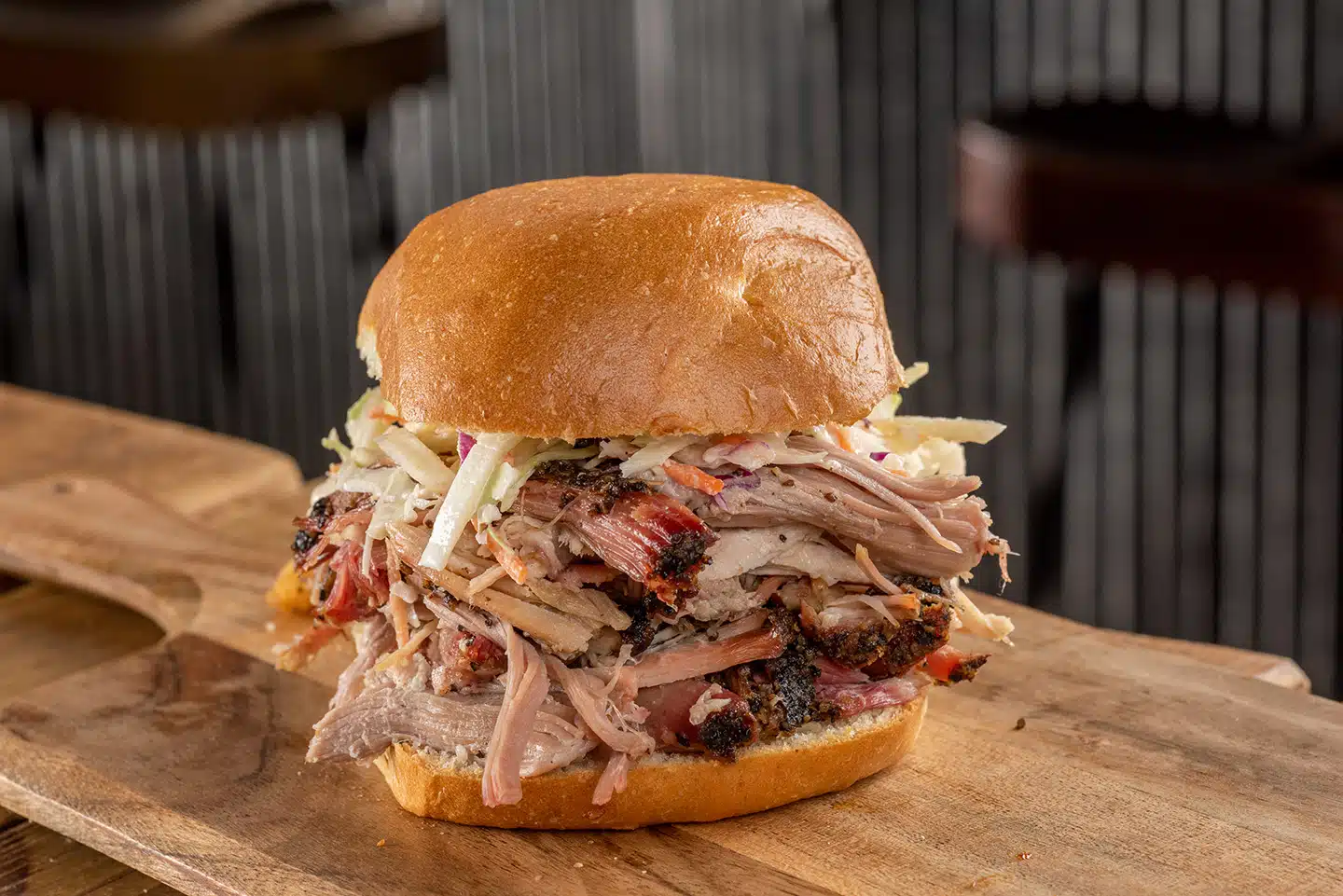
Pittsburgh has always been a city that respects substance. People here appreciate food that does more than decorate a plate. They want a meal with weight, character, and enough depth to justify the drive across town, the wait for a table, or the second visit the following week. That is exactly why Southern cooking fits so naturally into the local dining culture. When someone searches for a southern restaurant Pittsburgh, PA, they are rarely looking for something dainty. They are looking for comfort with standards, hospitality without fuss, and flavors that feel generous in every season.
That seasonal part matters more than many restaurant guides admit. Southern food is often flattened into a single idea, heavy, fried, and best suited to cold weather. In practice, good Southern cooking is far more flexible than that. It can anchor a January dinner and still feel right on a humid July evening. The cuisine has range. It knows how to handle slow braises, but it also understands bright acidity, fresh herbs, crisp vegetables, and the kind of simple desserts that finish a meal without overwhelming it.
In Pittsburgh, where the weather shifts hard and local appetites shift with it, that adaptability is not a nice extra. It is the difference between a place people visit once and a place they return to all year.
Why Southern food lands so well in Pittsburgh
There is a practical reason Southern food works here. Pittsburgh diners tend to value meals that are honest about what they are. They do not need every plate to arrive looking like an edible sculpture. They care whether the chicken is juicy, whether the greens have body, whether the biscuit flakes instead of crumbling into dry dust, and whether the mac and cheese tastes baked rather than poured from a saucepan five minutes earlier.
Southern cuisine rewards that kind of attention. It is built on technique that can look simple from the outside but is unforgiving in execution. Fried chicken needs proper seasoning before it ever hits the dredge. Shrimp and grits can turn flat if the grits lack texture or the sauce leans too heavily on cream without enough spice or stock behind it. Cornbread divides diners instantly. Too sweet, and half the room checks out. Too dry, and everyone notices.
Pittsburgh is also a city with strong traditions around labor, family meals, church gatherings, and neighborhood loyalty. Southern restaurants, when done well, tend to understand those rhythms. Portions feel intentional. Side dishes matter. Service often carries a little warmth and memory with it. You remember the person who steered you toward the collards instead of the fries because they knew the kitchen had nailed them that night. You remember a peach cobbler that arrived still bubbling at the edges. Those details keep a restaurant alive.
The cold months call for depth, not just weight
When late fall turns into winter, the appeal of Southern food becomes obvious. Pittsburgh cold has a way of pushing diners toward dishes with real staying power. This is where braised meats, cast iron finishes, and slow-cooked sides earn their reputation.
A strong winter menu at a Southern restaurant should not simply stack rich ingredients on top of one another. That is the amateur version of comfort. The better version layers richness with contrast. Think smoked meat balanced by vinegar in the greens. Think creamy grits carrying blackened fish with enough citrus or heat to sharpen the bite. Think a chicken fried steak or smothered pork chop that comes with gravy, yes, but also with a vegetable side cooked with restraint rather than boiled into submission.
This is also the season when soups, stews, and beans deserve more respect. Red beans and rice, hoppin' John, gumbo, and seafood stew all fit naturally into a Pittsburgh winter. They satisfy without always requiring the full drama of a large-format entrée. On a weeknight, that matters. Not every diner wants a feast. Sometimes what they want is a bowl that tastes like somebody took time with it.
Winter is also where desserts can become a restaurant's signature move. Bread pudding, pecan pie, bourbon caramel cake, and cobbler all make sense when the weather turns gray. What separates a memorable dessert from a forgettable one is proportion. A good Southern dessert should feel indulgent, but it should not feel punishing. If a place can serve warm bread pudding with a crisp edge and a sauce that tastes of butter and spice rather than raw sweetness, people talk about it.
Spring reveals whether the kitchen has range
A lot of restaurants can survive on rich food in January. Spring is where range shows up. Once Pittsburgh begins to thaw, diners want brightness back on the plate. They still want comfort, but not the same density.
Southern food has plenty to offer here. Spring vegetables fit naturally into the cuisine. Asparagus, peas, tender greens, herbs, radishes, and young onions can all work alongside Southern staples without feeling forced. A kitchen that understands seasonality might lighten a shrimp dish with lemon and fresh herbs, offer deviled eggs with a sharper filling, or run a strawberry shortcake that tastes like actual fruit rather than sugar and whipped topping.
This is often when side dishes become the clearest signal of quality. A Southern restaurant that pays attention in spring will make vegetables taste alive. Green beans should snap a little. Slaws should cool and cut through richer mains. Potato salad should carry mustard, acid, and texture instead of collapsing into blandness. Even a simple plate of fried catfish feels different when it is paired with a clean slaw and a wedge of lemon rather than a tired scoop of starch.
Spring also tends to bring in diners who may not identify themselves as comfort-food regulars. They are more likely to order a composed lunch, split an appetizer, or look for seafood and salad options. A restaurant that can meet them halfway without losing its identity usually builds a broader following.
Summer belongs to smoke, spice, and porch-food logic
Summer is when Southern cooking becomes unexpectedly versatile in Pittsburgh. Yes, people still crave barbecue and fried chicken, but summer Southern menus can lean lively rather than heavy. This is the season for smoked wings with a tangy finish, fried green tomatoes, pimento cheese with pickled vegetables, crab cakes with remoulade, and chilled desserts that still feel rooted in tradition.
There is also a social quality to Southern food that shines during warm weather. It encourages sharing. A table with biscuits, wings, corn, slaw, and a platter of ribs tends to loosen people up. Summer dining is often less ceremonial. Guests want to settle in, pass things around, and stay a little longer. Restaurants that create that mood, through pacing, staff confidence, and smart menu flow, usually do well.
Pittsburgh summers can be humid, and a heavy hand in the kitchen gets exposed quickly. Fried food should taste crisp, not greasy. Sauces need balance. Spice should wake up the palate rather than bulldoze it. Even barbecue works better in warm weather when the smoke is clean and the sides keep things from tipping into excess.
Sweet tea, house lemonade, and cocktails built around bourbon, peach, citrus, or mint also tend to make more sense in this season. Beverage programs matter here more than some owners realize. A solid Southern meal in July feels much more complete when the drink beside it can cool things down and sharpen the meal's edges.
Fall may be the best season for a Southern restaurant
There is a good argument that fall is the sweet spot for Southern dining in Pittsburgh. Appetites return after summer. The air cools. People become more open to richer food again, but they are not yet in the deep-winter mode that pushes every order toward maximum comfort.
This season welcomes menus that bridge brightness and depth. Roasted sweet potatoes, smoked meats, squash dishes, apple desserts, spicy stews, and richer gravies all start to feel timely. Fried chicken regains some of its cold-weather appeal without becoming too much. Brunch crowds, especially on football weekends, often become more reliable.
Fall also suits Southern baking. This is when biscuit baskets, cinnamon notes, brown butter, maple glazes, and warm fruit fillings seem especially persuasive. A restaurant that can make people crave dessert in October is in a strong position.
It is also the season where hospitality stands out most. As schedules fill up again, diners gravitate toward places that feel welcoming without becoming chaotic. Southern service, when done sincerely, has an advantage here. It can make a busy dining room feel less transactional. That does not mean forced familiarity. It means good timing, menu knowledge, and a sense that the staff actually wants the guest to have a satisfying meal.
What separates a serious Southern kitchen from a themed one
Not every restaurant offering biscuits and fried chicken is doing Southern food justice. The strongest kitchens understand that this cuisine depends on precision more than gimmickry. A room full of mason jars, reclaimed wood, and scripted nostalgia cannot cover for weak cooking.
A serious Southern restaurant usually gets a few key things right.
First, seasoning starts early. The flavor is built into the dish, not sprinkled on top at the end. Fried chicken should be seasoned under the crust. Beans should taste like they were cooked with purpose. Mac and cheese should have salt, cheese character, and proper texture, not just creaminess.
Second, the sides are never afterthoughts. In Southern cooking, sides often tell you more about the kitchen than the headliners do. A restaurant can buy decent chicken. It cannot fake great collards, black-eyed peas, grits, or cornbread for long.
Third, the menu understands contrast. Rich dishes need acid. Fried foods need crunch that stays crisp. Smoky meats need brightness nearby. A heavy meal with no relief becomes tiring halfway through.
Fourth, the kitchen shows discipline with sweetness. This is especially important in sauces, cornbread, and desserts. Southern food should be expressive, not cloying.
Finally, the staff can explain the food in practical terms. Guests should know whether the grits are creamy or coarse, whether the hot chicken carries real heat, whether the greens are smoky or vinegary, and whether a dessert is large enough to share. Those small moments of guidance build trust.
What to order when you want the full experience
If you are trying a new southern restaurant Pittsburgh, PA, the smartest move is to Southern brunch Pittsburgh order in a way that tests both the kitchen's strengths and its discipline. The most useful table usually includes a familiar entrée, at least two classic sides, something fried, and something that demands technique rather than spectacle.
A reliable first meal might include fried chicken or catfish, biscuits, greens, mac and cheese, and one dessert. That mix tells you plenty. If the restaurant also offers shrimp and grits, gumbo, or a smoked meat plate, those dishes reveal a second layer of skill. They show whether the kitchen can handle sauce work, texture, spice control, and smoke management.
There are a few warning signs worth noticing. Oversized menus often indicate a kitchen trying to cover too much ground. Dry biscuits are hard to forgive because they point to problems with timing or recipe discipline. Limp fried coatings usually suggest oil temperature issues or poor holding practices. Very sweet barbecue sauce can hide mediocre meat for only so long.
On the other hand, the signs of a place worth returning to are usually straightforward. The food arrives hot. The seasoning is thoughtful. The vegetables have identity. Nothing tastes assembled just to satisfy expectations.
The role of brunch in Southern dining
Brunch deserves its own place in this conversation because Southern restaurants often shine there. Pittsburgh diners take brunch seriously, and Southern food adapts beautifully to that format. Chicken and waffles, biscuits with sausage gravy, shrimp and grits, country ham, French toast, and griddled cornbread all fit naturally.
What makes a Southern brunch memorable is balance. A table full of starch and syrup can get dull fast. The better brunch menus include savory options with heat, acid, and texture. A poached egg over creamy grits with smoked sausage can feel luxurious without being excessive. Fried green tomatoes under hollandaise can work, but only if the acidity still cuts through the richness.
Coffee matters more than some restaurants realize, and so do pacing and sound level. Brunch diners tend to stay longer. They often order in stages. They may start with coffee, add cocktails, then drift into dessert. Southern hospitality works especially well in that rhythm because it allows service to feel attentive without rushing the table.
Dining with a group, feeding a family, or grabbing a solo meal
One of the strengths of Southern food is that it scales well. A solo diner can sit at the bar with a bowl of gumbo and a side of cornbread and leave perfectly satisfied. A couple can share appetizers and split a large entrée without feeling shortchanged. A family or a group of friends can order half the menu and turn dinner into a long conversation.
That flexibility matters in Pittsburgh, where dining occasions vary sharply. Some nights call for a date-night meal with cocktails and dessert. Other nights call for takeout after a long workday or a dependable place to bring visiting relatives who want a meal with broad appeal.
Southern restaurants often handle those swings better than trend-driven concepts because the food is built around familiarity and abundance. That does not mean every dish needs to be oversized. It means the meal should feel complete. Even a modest plate should satisfy in a way that many contemporary menus do not.
For takeout, a few dishes travel better than others. Braises, beans, grits, and baked sides usually hold up well. Fried foods can be more hit or miss unless packed carefully. Anyone ordering for delivery from a southern restaurant Pittsburgh, PA should think about that trade-off. The most dramatic dish in the dining room is not always the best one after a twenty-minute ride.
Service style matters as much as the menu
Southern hospitality is often used as a marketing phrase, but diners know the difference between branding and behavior. In a restaurant setting, hospitality is not exaggerated friendliness. It is competence delivered warmly.
That can mean a server who warns you that the hot chicken is genuinely hot, not just casually spicy. It can mean a host who gives a realistic wait time instead of an optimistic one. It can mean a bartender who knows which bourbon works in a sweeter cocktail and which one stands up better in an old fashioned. These are not flashy skills, but they shape the meal.
In Pittsburgh, where neighborhood loyalty runs deep, service often determines whether a restaurant becomes part of someone's regular rotation. People forgive a small delay on a busy night if they sense care and transparency. They do not forgive indifference.
A strong Southern restaurant also understands pace. Some meals should move briskly, especially weekday lunches. Others should unfold slowly. Family dinners, weekend brunches, and celebratory meals benefit from breathing room. Getting that rhythm right takes experience, and experienced restaurants make it feel effortless.
A cuisine that earns its place all year
The reason Southern food continues to grow in appeal is simple. It offers more than comfort. It offers seasonality, texture, memory, and a kind of generosity that never goes out of style. In Pittsburgh, where the climate changes sharply and diners know what they like, that combination has staying power.
The best Southern meals here do not rely on stereotype. They adapt. In winter, they warm and restore. In spring, they brighten. In summer, they loosen up and invite sharing. In fall, they settle back into richness with just enough lift to keep every bite interesting.
That is why the search for a great southern restaurant Pittsburgh, PA is not really about finding the heaviest plate in town. It is about finding a kitchen that understands how Southern cooking should feel in this city, in this weather, and at this table. When a restaurant gets that right, it becomes more than a place to eat. It becomes the answer to half the dining decisions people make all year.
Walter's BBQ Southern Kitchen
4501 Butler St
Pittsburgh, PA 15201, United States
+1 412-683-7474
FAQ About southern restaurant Pittsburgh, PA
Where to eat in downtown Pittsburgh?
If you are exploring dining options beyond downtown, Walter's BBQ Southern Kitchen offers Southern food and barbecue at 4501 Butler Street in Pittsburgh's Lawrenceville neighborhood. It is outside downtown, so allow travel time when planning your visit.
What is a must eat in Pittsburgh?
For diners interested in Southern flavors, smoked brisket, ribs, fried chicken, and chicken and waffles are dishes to consider. Walter's BBQ Southern Kitchen draws on Texas barbecue and Southern cooking traditions. Check the current menu for the dishes available during your visit.
What are some of Pittsburgh's unique restaurants?
Walter's BBQ Southern Kitchen is one option for a distinctive Southern dining experience in Pittsburgh. Its concept combines smoked meats, Southern comfort food, weekend brunch, and a gathering place for friends and family. The restaurant is located on Butler Street in Lawrenceville.