Why a Southern Restaurant Is More Than Just a Place to Eat

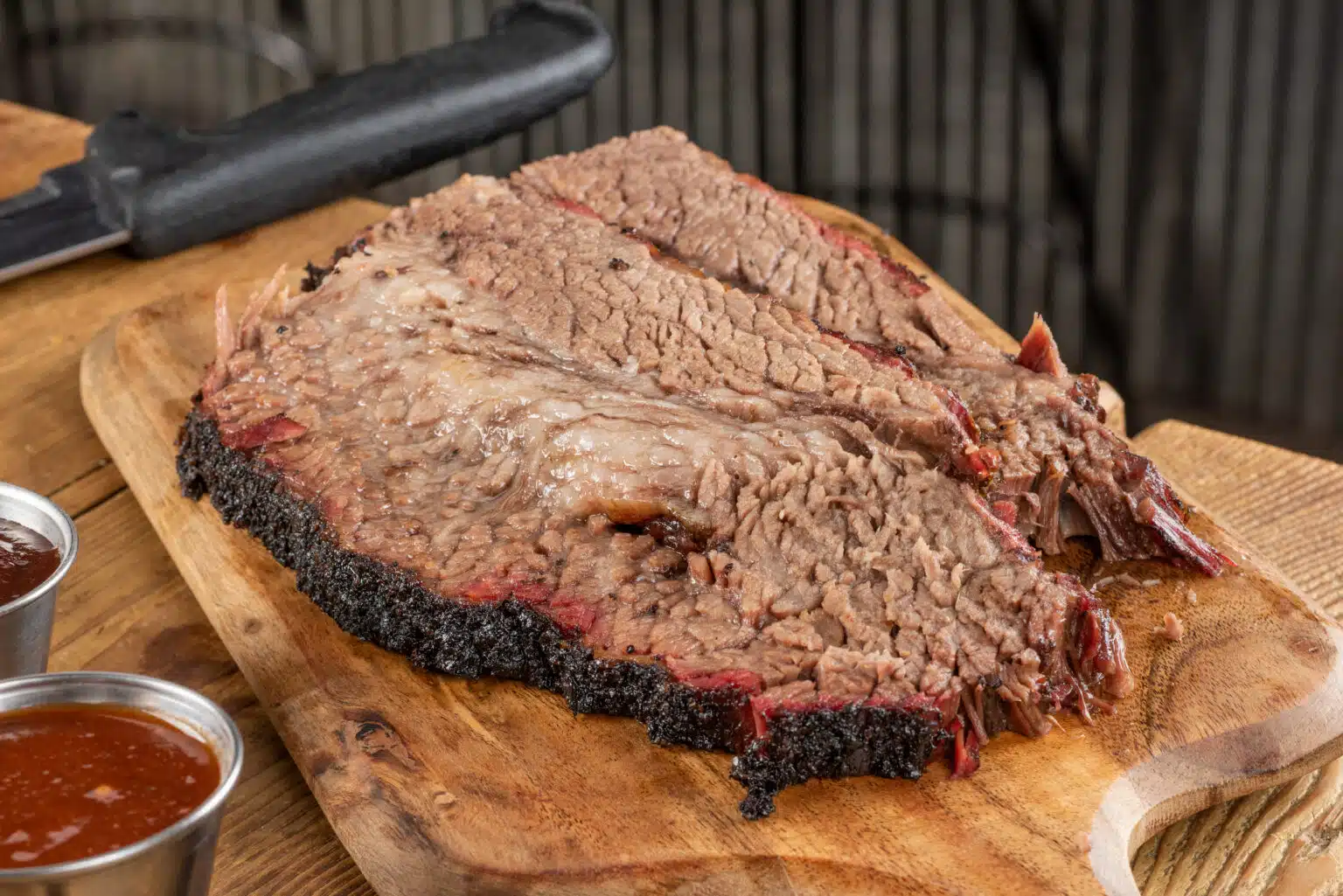
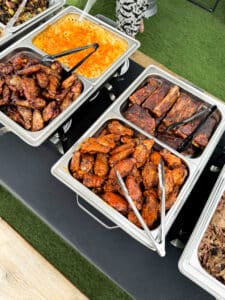
Step into a good Southern restaurant and you can feel the room before you study the menu. There is a certain tempo to it. The host stand is rarely just a host stand. It is a checkpoint for greetings, weather updates, local news, and the occasional reunion that delays seating by a few minutes because two people have not seen each other since last Easter. The dining room carries its own kind of music, even when no speakers are on. Ice in tea glasses, silverware rolling into cloth napkins, the scrape of a chair as one more cousin squeezes in at the table, a server calling someone “baby” or “sir” with equal sincerity. Food matters, of course. It matters a great deal. But if you reduce a Southern restaurant to fried chicken, biscuits, and pie, you miss the bigger thing that keeps people coming back.
The best Southern places are social institutions disguised as dining rooms. They are where communities rehearse their values in public. Hospitality, patience, generosity, memory, even grief, all of it passes across those tables. That is why a Southern restaurant often carries a weight that a purely transactional business never can.
The room itself tells you what kind of place it is
People like to talk about cuisine as if it begins and ends on the plate. In practice, diners decide what they think of a place long before the first bite. In many Southern restaurants, the room telegraphs an ethic. It might be polished and formal, with white tablecloths and a shrimp and grits recipe fine-tuned over a decade. It might be a converted house with beadboard walls, a front porch, and a chalkboard menu that changes when the peaches come in. It might be a barbecue joint with paper towel rolls on each table and smoke permanently settled into the rafters. Different settings, same underlying message: you are not just buying calories here. You are entering a shared space with its own customs.
That feeling does not happen by accident. Owners and operators make hundreds of small choices that shape it. How close are the tables? Does the lighting invite lingering or speed people through the meal? Are the servers trained to move briskly and formally, or to engage in the kind of warm, practical conversation that lets a regular ask for “the usual” without embarrassment? A Southern restaurant often succeeds or fails in those small decisions.
I have seen dining rooms where a server notices an elderly guest struggling with a chair and adjusts the whole setup without making a show of it. I have watched managers send out a plate of extra cornbread to a table of six because they know one basket never does the job. Those gestures are not expensive in themselves. What they signal is expensive, because it requires discipline. It requires paying attention.
Southern food carries memory better than almost any cuisine
Ask people to describe their strongest restaurant memories and they often start with family, not flavor. They remember a grandmother who always ordered liver and onions, a father who judged a place by its biscuits, a mother who taught them not to touch the hot plate of cobbler. Southern cooking is especially potent because it lives at the intersection of home life and public life. Many of its dishes are familiar enough to feel intimate, but distinct enough in a restaurant setting to spark debate. Everyone has an opinion on pimento cheese. Everyone’s aunt made Southern restaurant walterspgh.com better greens. Someone will always say the mac and cheese used to be creamier five years ago.
That argument is part of the appeal. A Southern restaurant does not serve blank, neutral food. It serves food that arrives with emotional comparison built in. The biscuit on the table competes with childhood memory. The bowl of grits competes with a regional standard that changes from town to town. The banana pudding competes with church suppers, funeral receptions, holiday buffets, and roadside diners stretching back thirty years.
For an operator, that can be brutal. Diners are not merely asking, “Is this good?” They are asking, “Is this as comforting, honest, and convincing as what I carry in my head?” Meeting that standard takes more than technical skill. It takes judgment. A chef has to know when to honor expectation and when to challenge it. If you modernize a classic too aggressively, you risk breaking the emotional contract. If you never adjust at all, the menu can turn stale or heavy.
That tension is one reason Southern menus, at their best, feel alive. A chef might keep a cast iron seared pork chop and switch the accompaniments with the season. A restaurant may serve fried green tomatoes in June and braised collards in January, changing the details while preserving the emotional center of the meal. That balance, between recognition and surprise, is where a lot of Southern restaurants earn their loyalty.
Hospitality in the South is not decorative, it is structural
People often talk about Southern hospitality as a pleasant accessory, a nice smile layered on top of the business. In reality, it is part of the operating system. The style of service shapes the entire experience, and often determines whether a guest forgives a delay, returns after an average first meal, or recommends the place to others.
Hospitality in a Southern restaurant is not always polished in the fine dining sense. Sometimes it is slightly chaotic. Sometimes the server is balancing six tables, a tray of sweet teas, and a request from the kitchen to run food to the back room where a family has taken over half the space after a funeral. What matters is not theatrical perfection. It is the feeling that someone in the building takes your comfort personally.
That distinction matters. Politeness can be scripted. Care cannot. Guests know the difference. A perfunctory “How is everything?” barely registers. A server who notices that the child at the table is getting restless and brings extra crackers before the entrées arrive, that gets remembered. So does the cashier at the meat-and-three who asks after your mother by name, then tells you they set aside the last serving of squash casserole because they know she likes it.
These touches sound sentimental until you try to build a business without them. Then you discover how much resilience they create. Restaurants run into problems every day. A fryer goes down. A shipment comes late. The dining room fills faster than expected after church. Guests will tolerate imperfections when they trust the spirit of the place. In many Southern restaurants, that trust is built through repeated acts of welcome.
A menu can map a whole region
There is no single Southern cuisine. That phrase flattens a huge and varied landscape. Lowcountry cooking does not taste like East Texas barbecue. Delta tamales are not Appalachian beans and cornbread. Coastal seafood houses, Creole kitchens, Nashville meat-and-threes, and Virginia country ham traditions all belong to different stories. A serious Southern restaurant knows where it stands in that map, even if it draws from more than one tradition.
That sense of place is one of the reasons these restaurants matter beyond the meal. They preserve local identity at a time when chain sameness threatens to erase it. When a menu includes field peas, chow chow, butter beans, benne wafers, sorghum, or a specific regional style of sauce, it tells diners something about where they are and who built the food culture there. Even when the restaurant updates presentation or technique, those signposts matter.
This is where ingredient sourcing becomes more than marketing copy. If a Southern restaurant buys okra from a nearby farm when it is in season, the dish tastes better, certainly. But it also stays connected to the agricultural rhythms that shaped Southern cooking in the first place. Tomato sandwiches taste different in August for a reason. So do peach cobblers, crowder peas, and stewed squash. The calendar still has authority in places that respect it.
There is also an economic layer to this. Independent Southern restaurants often support a web of nearby producers, bakers, fishers, and growers. A restaurant that commits to local oysters, regional grits, or farm eggs does not just improve its pantry. It helps sustain a local food economy that might otherwise struggle against national distribution systems built for scale, not character.
The church crowd, the lunch regulars, and the Friday night table for eight
A Southern restaurant becomes part of daily life because it serves people in different emotional registers. It hosts the ordinary and the ceremonial, sometimes on the same day. The lunch regular sitting alone at the counter needs speed, consistency, and a decent refill on tea. The family celebrating a college graduation wants time, attention, and maybe an extra dessert with candles. The table after a funeral needs gentleness more than efficiency. The young couple on date night wants the room to feel a little flattering. Few businesses see so many versions of people at once.
That range creates a kind of civic function. These restaurants are among the last places where different generations, income levels, and social circles still overlap in visible ways. Not perfectly, and not always, but meaningfully. You can watch a retired judge, a roofing crew, a nurse coming off shift, and a family with three children all navigate the same menu and room. That mix matters. Communities get thinner when every experience is segmented.
Sunday is often the best example. In many towns, the post-church rush is less a restaurant turn and more a social ritual with biscuits. People arrive dressed up, carrying the week’s momentum into the dining room. They greet neighboring tables. They compare notes on sermons, football, and grandchildren. The meal is public in a way weekday dinners rarely are. The restaurant becomes an extension of community life, not a break from it.
Comfort food is harder to execute than people think
There is a persistent misconception that simple food is easy food. Anyone who has worked in or around restaurants knows the opposite is often true. A dish with ten elaborate components can hide minor mistakes. A plate of fried chicken, mashed potatoes, and gravy cannot. If the crust lacks seasoning, everyone notices. If the chicken dries out, there is nowhere to hide. If the greens are undercooked or over-salted, the dish loses its center.
Southern cooking puts pressure on fundamentals. Heat control, timing, seasoning, texture, and restraint matter on almost every plate. A biscuit reveals whether the dough was overworked. A pot of grits exposes whether someone cared enough to stir, taste, and finish properly. Pie crust tells on impatience. So does barbecue.
That is one reason diners feel such loyalty to restaurants that get the basics right. It is not snobbery. It is recognition of skill. The line cooks who can consistently send out fifty well-fried chicken plates during a rush are doing serious work. The baker turning out tender biscuits through breakfast and lunch has developed muscle Southern restaurant memory that took time to build. The pitmaster tending fires overnight is making choices that diners may never see, but they taste every one of them.
There is another challenge: comfort food must comfort. That sounds obvious, but many restaurants overthink familiar dishes. They add too many sweet notes, too much acid, too much garnish, too many explanations. A strong Southern restaurant knows when to let a dish be plainspoken. There is grace in food that lands with confidence and does not need a speech.
These places hold stories, even when nobody says them out loud
Every longtime Southern restaurant accumulates mythology. Some of it is documented, some of it survives as repeated table talk. People remember the owner who worked the floor into his eighties. They remember the waitress who had served three generations of one family. They remember when the dining room flooded, when the fire happened, when the town rallied, when the place reopened. Restaurants that endure long enough become containers for local memory.
This is especially true in smaller cities and towns, where a restaurant can outlast industries, administrations, school mascots, and even neighborhoods. A place that keeps feeding people through those changes develops a kind of authority. It does not just reflect local culture, it helps stabilize it. When everything else feels uncertain, people take comfort in a room where the cornbread still arrives warm and the booths still sit in the same place.
That emotional role becomes very clear in moments of loss. After funerals, hospital visits, storms, and hard news, people often gather around familiar Southern food. Not because food solves anything, but because ritual steadies the body when language falls short. A plate of roast chicken, rice, green beans, and a roll can do practical emotional work. It gives people something to do with their hands. It keeps them seated long enough to talk or remain quiet together. The restaurant becomes a shelter of routine.
Modern pressures are changing what these restaurants have to be
Nostalgia can blur the difficulty of operating a restaurant right now. Labor costs are up. Ingredient prices swing wildly. Insurance, rent, utilities, and equipment maintenance keep climbing. At the same time, diners expect consistency, speed, and often a level of customization that older Southern menus never contemplated. Running a Southern restaurant today means navigating serious financial pressure without losing the warmth and abundance people associate with the category.
There are also cultural shifts. Some guests want lighter preparations, more vegetable-centered dishes, gluten-free options, lower sugar desserts, or less salt. Those are reasonable requests, but they ask operators to rethink recipes rooted in tradition. Some do this well. Others strip the soul out of the food in pursuit of broad appeal. The strongest restaurants adapt selectively. They add a thoughtfully composed vegetable plate rather than pretending every guest wants country fried steak. They refine portion sizes without making the meal feel stingy. They may offer a grilled fish alongside the fried catfish, but they do not apologize for the catfish.
Technology complicates the picture too. Delivery apps increase reach but can punish the qualities that make a Southern restaurant special. Biscuits steam and soften in transit. Fried foods lose their crisp edge. Dining rooms built around conversation become packaging lines. Some dishes travel well, many do not. Owners have had to decide whether convenience is worth the dilution of experience. There is no universal answer. In some markets, takeout keeps the business healthy. In others, it turns a richly social restaurant into a commodity.
What regulars understand that visitors sometimes miss
Visitors often judge a Southern restaurant by spectacle. Is the chicken dramatic enough? Is the décor “authentic” enough? Did the server use the right regional phrase? Regulars tend to care about quieter things. They notice whether the greens changed suppliers. They know the difference between a shortcut gravy and one made with honest pan drippings. They care if the pie case looks strong at 2:30 in the afternoon. They watch whether the place still treats weekday lunch guests with the same respect it gives Saturday night reservations.
That long view is useful. It reminds us that the value of a Southern restaurant is cumulative. One beautiful meal can impress you. Ten solid years of feeding a town, welcoming strangers, training staff, buying from local producers when possible, and showing up through good seasons and lean ones, that earns a different kind of admiration.
People who love these restaurants often do so because they can feel the labor behind the ease. The room seems relaxed because somebody worked hard to make it so. The menu feels obvious because somebody edited it carefully. The welcome feels natural because the staff has practiced the art of making it look unforced. A good Southern restaurant never announces that effort too loudly. It simply keeps the door open, the coffee hot, and the standards steady.
Why the best ones stay with you
You remember a memorable meal for flavor. You remember a meaningful restaurant for what happened around the meal. The laugh from the next booth that became your laugh. The extra chair added without fuss. The way the server slowed down when your grandfather started telling a story. The hush that fell when the cobbler landed at the center of the table. The fact that nobody rushed you, even when the dining room was full.
That is why a Southern restaurant is more than just a place to eat. It feeds, yes. But it also hosts identity, custom, and memory. It teaches younger diners how adults gather. It gives older diners a place where they still feel known. It sustains regional foodways while adapting just enough to stay alive. On its best days, it offers the rare combination of craftsmanship and generosity, skill and ease, commerce and care.
Strip away the clichés and that is what remains. A Southern restaurant is one of the few public places where nourishment still means more than nutrition. It means being welcomed, remembered, and returned to yourself for the length of a meal.
Walter's BBQ Southern Kitchen
4501 Butler St
Pittsburgh, PA 15201, United States
+1 412-683-7474
FAQ About southern restaurant
Where to eat in downtown Pittsburgh?
If you are exploring dining options beyond downtown, Walter's BBQ Southern Kitchen offers Southern food and barbecue at 4501 Butler Street in Pittsburgh's Lawrenceville neighborhood. It is outside downtown, so allow travel time when planning your visit.
What is a must eat in Pittsburgh?
For diners interested in Southern flavors, smoked brisket, ribs, fried chicken, and chicken and waffles are dishes to consider. Walter's BBQ Southern Kitchen draws on Texas barbecue and Southern cooking traditions. Check the current menu for the dishes available during your visit.
What are some of Pittsburgh's unique restaurants?
Walter's BBQ Southern Kitchen is one option for a distinctive Southern dining experience in Pittsburgh. Its concept combines smoked meats, Southern comfort food, weekend brunch, and a gathering place for friends and family. The restaurant is located on Butler Street in Lawrenceville.